
The Vital Role of Cybersecurity Consulting

Popular Posts The Vital Role of Cybersecurity Consulting. In an era where digital transformation is driving innovation and growth, the importance of cybersecurity has never been more critical. Cyber threats are becoming increasingly sophisticated and pervasive, posing significant risks to businesses of all sizes. This is where cybersecurity consulting comes into play, serving as a bulwark against the evolving threat landscape. In this blog, we will explore the indispensable role of cybersecurity consulting in safeguarding your digital assets and business continuity. Understanding Cybersecurity Consulting: Cybersecurity consulting involves partnering with experts who specialize in identifying vulnerabilities, devising robust security strategies, and implementing proactive measures to protect your organization’s digital assets. It is a multifaceted approach that goes beyond traditional security measures to address the dynamic nature of cyber threats. Why Cybersecurity Consulting Matters Key Areas of Cybersecurity Consulting Conclusion: In an age where data breaches and cyberattacks can have catastrophic consequences, cybersecurity consulting is not just an option; it’s a necessity. By partnering with cybersecurity experts, businesses can fortify their digital defenses, protect sensitive information, and ensure business continuity. Cybersecurity consulting isn’t just an investment in security; it’s an investment in the future of your organization, allowing you to thrive in the digital landscape while safeguarding your digital fort from the relentless tide of cyber threats. Relative Blog: The Vital Role of Cybersecurity Consulting Popular Posts
Can Automation Put A Human Into The Robot
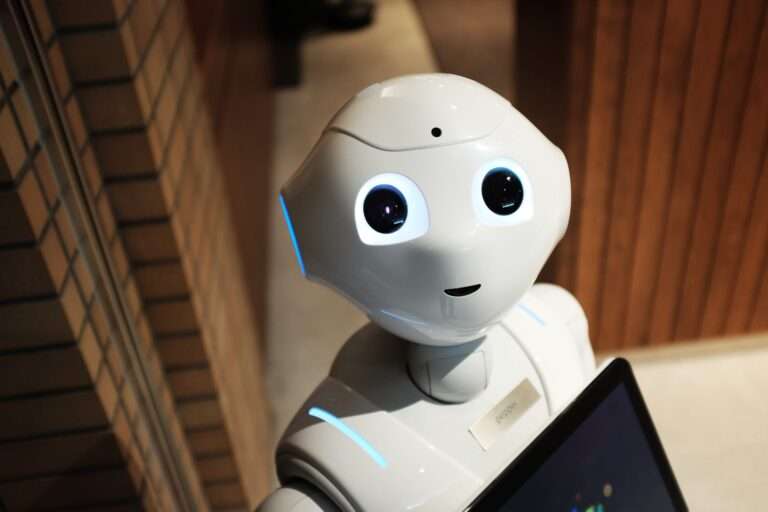
Popular Posts Can Automation Put A Human Into The Robot. The idea of putting a human into a robot, often referred to as “transhumanism” or “cyborgization,” is a concept that has been explored in science fiction for many years. However, in reality, it’s a complex and ethically challenging concept that raises numerous questions about the integration of humans and machines. Automation, in the context of robotics and artificial intelligence, typically involves the use of machines and software to perform tasks without direct human intervention. Automation aims to increase efficiency, accuracy, and productivity in various industries and domains. Can Automation Put A Human Into The RobotWhile automation can enhance human capabilities and improve certain aspects of work and life, it doesn’t necessarily involve merging a human being with a robot in the way science fiction often portrays. Here are a few key considerations: In summary, while automation can enhance human capabilities and improve various aspects of life and work, the concept of “putting a human into a robot” as portrayed in science fiction remains largely speculative and fraught with ethical and practical challenges. The integration of humans and machines is an evolving field, and any such developments would need to be approached with careful consideration of the ethical and societal implications. Popular Posts
Harnessing the Power of AI in HR Management

Popular Posts Harnessing the Power of AI in HR Management. In the ever-evolving landscape of Human Resources, staying ahead of the curve is crucial for attracting, nurturing, and retaining top talent. With the advent of Artificial Intelligence (AI), HR management has undergone a significant transformation, giving rise to a concept known as Talent Intelligence. This paradigm shift is not just a trend but a necessity in today’s competitive job market. Let’s delve into how harnessing the power of AI in HR management can revolutionize your approach to talent acquisition and employee retention. Understanding Talent Intelligence Talent Intelligence is the application of AI and data analytics to HR processes. It involves gathering, analyzing, and interpreting vast amounts of data to make informed decisions about talent management. Traditional methods often fall short in providing actionable insights. However, AI-powered tools can process extensive data sets, identifying patterns and trends that might go unnoticed by human eyes. Streamlining Recruitment Processes One of the significant challenges faced by HR professionals is sifting through a sea of resumes to find the right candidate. AI algorithms can analyze resumes and social media profiles to match skills, experiences, and qualifications with job requirements. This not only saves time but ensures that the shortlisted candidates are a better fit for the organization, enhancing the quality of hires. Enhancing Employee Experience AI-driven chatbots and virtual assistants have revolutionized employee interactions. These bots can handle routine queries, allowing HR professionals to focus on more complex tasks. Moreover, AI algorithms can analyze employee feedback, helping organizations identify areas for improvement and tailor their employee experience initiatives accordingly. This personalization enhances employee engagement and satisfaction. Predictive Analytics for Employee Retention Employee turnover can be costly for businesses. By utilizing predictive analytics, HR professionals can identify potential flight risks within the organization. Factors such as job satisfaction, work-life balance, and growth opportunities can be analyzed to predict which employees are likely to leave. Armed with this knowledge, HR can take proactive measures to retain valuable talent, such as offering personalized training, mentorship programs, or career development opportunities. Diversity and Inclusion AI tools can assist HR teams in promoting diversity and inclusion within the workplace. By analyzing hiring data, these tools can highlight biases and provide suggestions for creating a more diverse workforce. Moreover, AI can be used to track diversity and inclusion initiatives’ effectiveness over time, ensuring that organizations are making progress towards their goals. Challenges and Ethical Considerations While AI brings tremendous benefits to HR management, it is not without its challenges. Ethical considerations, data privacy, and the potential for algorithmic biases must be addressed. HR professionals need to work closely with data scientists and AI experts to ensure that these technologies are implemented ethically and responsibly. In conclusion, Talent Intelligence powered by AI is a game-changer in HR management. By harnessing the power of data and AI algorithms, organizations can make smarter decisions, streamline processes, enhance employee experiences, and foster a diverse and inclusive workplace. Embracing these technologies is not just an option but a necessity for businesses aiming to thrive in the digital age. Popular Posts
5 Traits of Innovation Leaders: Real-life Case Studies

Popular Posts 5 Traits of Innovation Leaders: Real-life Case Studies. Innovation is the lifeblood of progress, driving companies to new heights and transforming industries. Behind every groundbreaking innovation, there is a leader with exceptional traits that inspire teams, foster creativity, and navigate challenges. In this blog post, we’ll explore five key traits of innovation leaders through real-life case studies, showcasing how these qualities have propelled companies to success. Visionary Thinking: Steve Jobs and Apple Innovation leaders possess visionary thinking, enabling them to anticipate market trends and envision future possibilities. Steve Jobs, co-founder of Apple Inc., was a prime example of a visionary leader. His ability to predict consumer needs led to the creation of iconic products like the iPhone and iPad. Jobs’ unwavering belief in the potential of technology transformed Apple into one of the most valuable companies globally, showcasing the power of visionary leadership. Innovation is the lifeblood of progress, driving companies to new heights and transforming industries. Risk-Taking: Elon Musk and SpaceX Innovation often involves calculated risks. Leaders who embrace risk-taking can revolutionize industries. Elon Musk, the founder of SpaceX, took a massive gamble by investing his own money to launch a private space exploration company. Despite numerous setbacks, Musk persisted, and SpaceX achieved significant milestones, including reusable rocket technology and commercial spaceflights. Musk’s willingness to take risks redefined the space industry. Adaptability: Satya Nadella and Microsoft Innovation leaders must adapt to changing market dynamics and technological advancements. Satya Nadella, the CEO of Microsoft, transformed the company’s culture from within. He shifted Microsoft’s focus from a traditional software approach to cloud-based services and artificial intelligence. Under his leadership, Microsoft embraced open-source technologies and collaborations, leading to a resurgence in the company’s innovation capabilities. Popular Posts