
Popular Posts
Can Automation Put A Human Into The Robot. The idea of putting a human into a robot, often referred to as “transhumanism” or “cyborgization,” is a concept that has been explored in science fiction for many years. However, in reality, it’s a complex and ethically challenging concept that raises numerous questions about the integration of humans and machines.
Automation, in the context of robotics and artificial intelligence, typically involves the use of machines and software to perform tasks without direct human intervention. Automation aims to increase efficiency, accuracy, and productivity in various industries and domains.
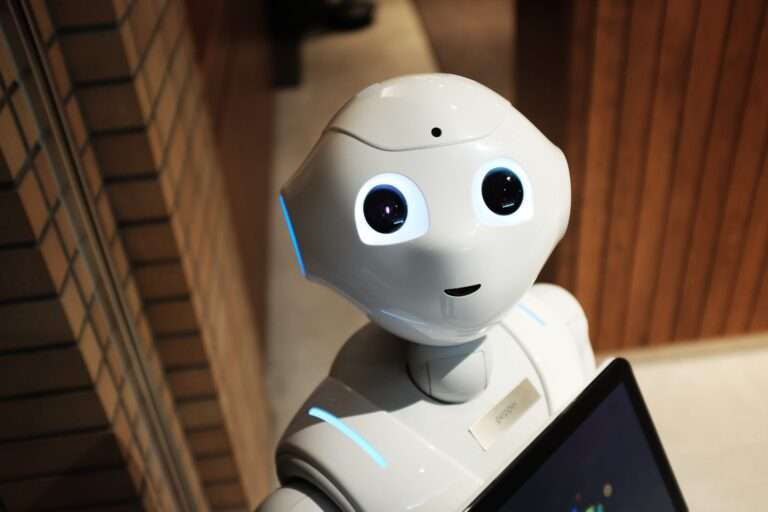
Can Automation Put A Human Into The RobotWhile automation can enhance human capabilities and improve certain aspects of work and life, it doesn’t necessarily involve merging a human being with a robot in the way science fiction often portrays. Here are a few key considerations:
- Prosthetics and Enhancements: In the real world, we do have advanced prosthetic limbs and wearable technologies that can enhance human abilities. These devices can assist individuals with disabilities and improve their quality of life.
- Brain-Machine Interfaces: Research is ongoing in the field of brain-machine interfaces (BMIs), which aim to establish direct communication between the human brain and machines. BMIs have the potential to enable people to control robotic devices or computer interfaces using their thoughts.
- Ethical and Philosophical Questions: The idea of merging humans with machines raises profound ethical, philosophical, and societal questions. These include concerns about identity, privacy, autonomy, and the potential for social inequality.
- Regulatory and Safety Concerns: Integrating humans and robots would require robust safety measures and regulations to ensure the well-being and rights of individuals involved.
In summary, while automation can enhance human capabilities and improve various aspects of life and work, the concept of “putting a human into a robot” as portrayed in science fiction remains largely speculative and fraught with ethical and practical challenges. The integration of humans and machines is an evolving field, and any such developments would need to be approached with careful consideration of the ethical and societal implications.